Why Do Players Feel Sore for Days After a Match?
If you’ve ever played football, you know the feeling all too well — that lingering muscle soreness and fatigue that can stick around for days after a match. But why exactly does this happen to professional footballers, who train hard and take recovery seriously? In modern football, the fine margins between performance and injury make recovery more complex than ever. Factors like fixture congestion, travel demands, and individual player needs all play crucial roles in how sore players feel in the days following a game.
Understanding Muscle Soreness: The Science Behind the Ache
Muscle soreness after intense physical activity, known as delayed onset muscle soreness (DOMS), commonly occurs when players push their bodies to unfamiliar or particularly high levels of exertion. In a football match, this includes repeated sprints, rapid changes of direction, tackles, and jumping—each putting a unique kind of strain on muscles.
At the tissue level, tiny microscopic tears form in muscle fibres during a match. This is a normal part of exercise-induced stress, as the body repairs these micro-tears, rebuilding the muscles stronger than before. However, this repair process causes inflammation, chemical build-up, and sensitivity in the affected muscles, which the player perceives as soreness — sometimes for several days.
What Modern Sports Science Tells Us
Sports science has progressed to where monitoring players’ efforts during games is common practice, especially with data analysis and sprint data. These tools help performance teams measure how much high-intensity running, acceleration, and deceleration a player performs. For example, a full-back racking up twenty sprints and covering 11km at a high intensity will likely experience more soreness than a midfielder with lower sprint demands.
Fine Margins in Modern Football: Why Every Sprint Counts
Modern football has evolved tremendously, with teams regularly pushing players to perform at peak intensity. The difference between winning and losing is often just a fraction of a second or an inch of space — these are the “fine margins” coaches and scientists keep referring to. Hence, players are expected to sprint more frequently and recover faster.
With GPS tracking and biomechanical analysis, clubs know exactly which players cover the most ground, how fast they sprint, and how often they accelerate or decelerate sharply. Each sprint stresses the muscles differently, contributing to post-match soreness and cumulative fatigue.

- High load on certain muscle groups: Sprinting primarily activates the hamstrings, quadriceps, and calves.
- Repetitive acceleration and deceleration: Forces experienced during rapid changes cause more muscle microtrauma.
- Other football-specific movements: Jumping and tackling add eccentric muscle loads that exacerbate soreness.
From a selection perspective, coaching and performance staff use this data to understand who’s at risk of reduced performance or injury in training and matches due to accumulated soreness.
Fixture Congestion and Travel: The Recovery Time Crunch
One major reason why players often feel sore for days is simply because they don’t get enough time to recover between games — the famous fixture congestion. Especially in the Premier League, Champions League, or international breaks, teams may play two matches a week, sometimes even more in a compact schedule.
Schedule Recovery Days Typical Muscle Soreness Duration Challenges One match per week 5-7 days 2-3 days Ample time for standard recovery Two matches per week 3-4 days May still last into next match Limited recovery, risk of cumulative fatigue Three or more matches per week 1-2 days Soreness likely overlapping multiple matches High injury risk, forced load managementTravel compounds this problem. Teams flying across countries or continents face disrupted sleep patterns, time zone changes, and stiffness from long bus or plane rides, all of which interfere with natural recovery processes. Late night matches often finish well past 10-11pm, meaning players struggle to get quality sleep immediately after games.
Sleep Disruption: The Silent Recovery Thief
Sleep is the foundation of recovery — during deep sleep, the body releases growth hormone, which supports muscle repair and inflammation reduction. In professional players, disrupted sleep after late matches delays this process.
Research shows that after evening games, players’ sleep quality declines significantly: longer time to fall asleep, shorter total sleep duration, and less deep sleep. As a result, muscle soreness can feel worse and last longer, with less ability to recover full strength and energy before training or the next match.
Personalised Recovery Plans: Because One Size Doesn’t Fit All
Every player experiences soreness and recovery differently, based on their physiology, age, position, and recent training load. Modern clubs tailor recovery routines individually, using data analytics combined with subjective feedback from players.
Key recovery tools include:
- Active recovery sessions such as light cycling or swimming to boost blood flow without increasing soreness.
- Physiotherapy and manual therapy to reduce muscle stiffness and inflammation.
- Nutrition and hydration plans focusing on anti-inflammatory foods and protein intake for muscle repair.
- Hydrotherapy and cryotherapy aiming to reduce swelling (with controversy about overuse).
- Sleep hygiene promotion including controlled caffeine use and relaxation techniques.
Additionally, data from GPS and sprint metrics gives insights into which players took the highest loads during a game, and thus might need lighter training or more focused recovery. This modern approach helps coaches make decisions about training load in the days how to avoid hamstring strain after the match to avoid overload or injury.
How This Affects Saturday Selection
compression boots review footballFrom a football reporter’s angle, it’s clear why a manager might rest a key player with residual soreness or reduced explosiveness. Players who sprinted less or had lower overall loads in a match typically return fitter quicker. Understanding muscle soreness and recovery helps explain rotation and substitution decisions deeply — it’s not about being lazy, it’s a calculated effort to manage injury risk and maintain peak performance.
Conclusion: Soreness Is Part of the Game, But Managed Like a Science
Muscle soreness lingering for days after a match is a natural consequence of the physical demands football places on players’ bodies. The fine margins of intensity, fixture congestion, travel, and sleep disruption all intertwine to impact recovery times.
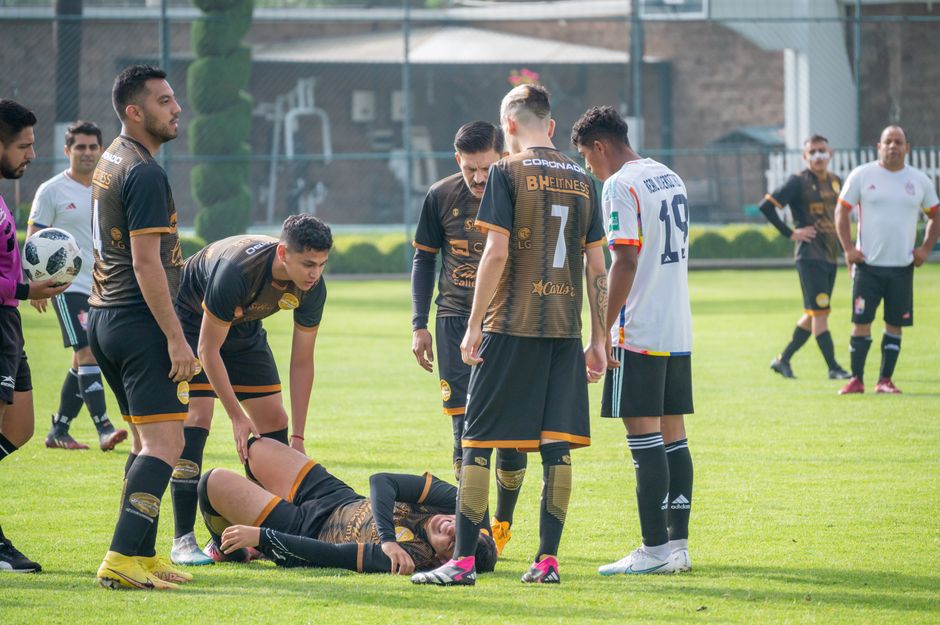
Personalised recovery plans informed by detailed data analysis and sprint metrics are now key in helping players bounce back quicker. By understanding these processes, fans can appreciate the brutal physical toll of modern football and why player rotation and rest are strategic necessities, not indulgences.
So next time you see a player walking gingerly or watched them anaesthetise muscle pain in a post-match interview, remember: their soreness is the price paid for those electrifying sprints and game-changing moments on the pitch.